Clinical Canine Massage
Rehabilitates soft tissue and muscular injuries and helps with chronic pain management of orthopaedic and neurological conditions
What is Clinical Canine Massage?
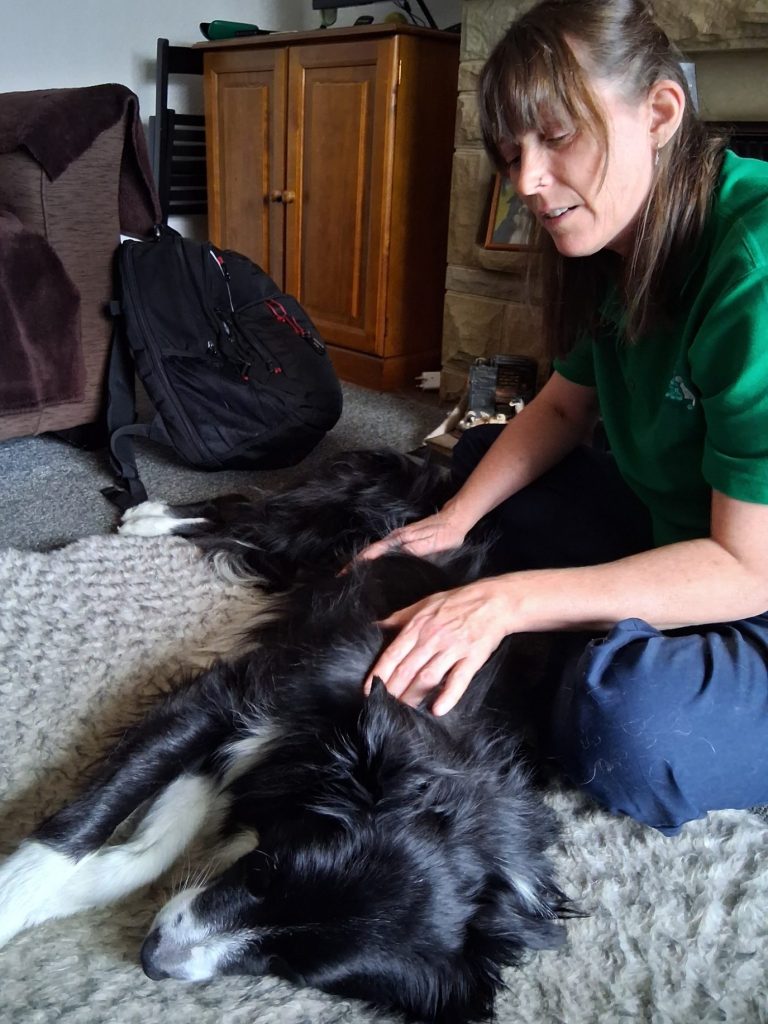
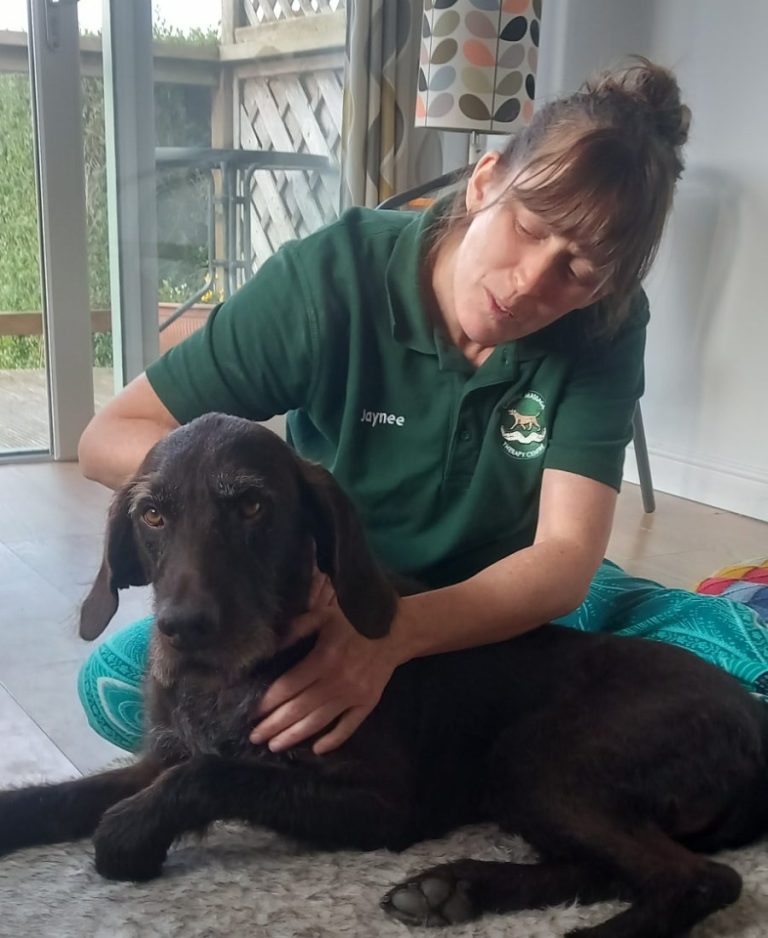
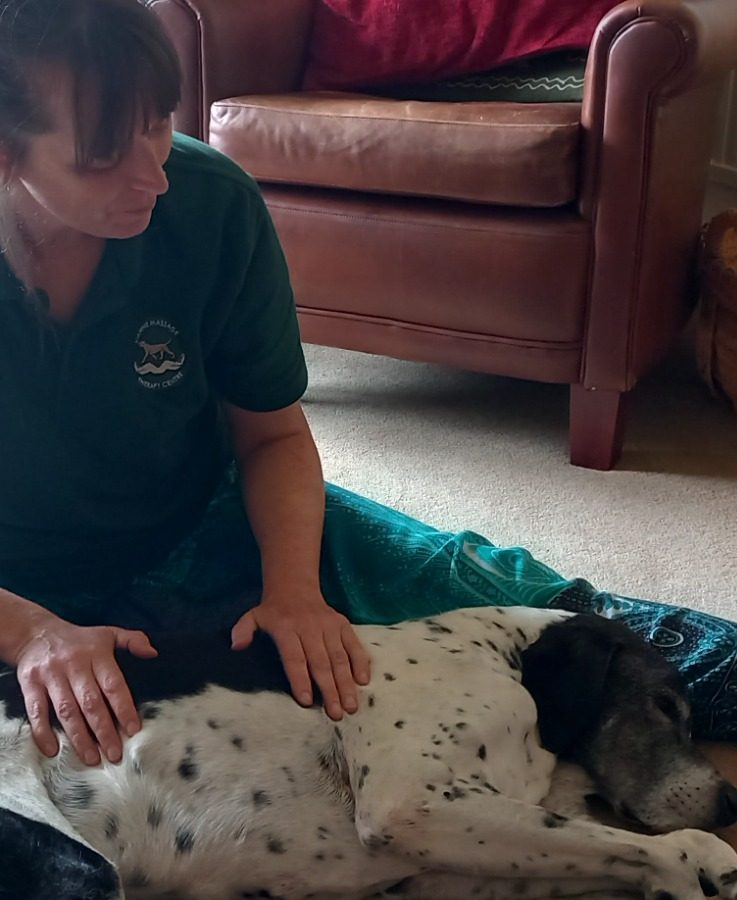
It is a hands on, non invasive therapy which helps rehabilitate soft tissue dysfunction and muscular injuries, such as lameness, limping, stiffness and slowing down, and manage chronic pain caused by orthopaedic conditions such as arthritis, hip/elbow dysplasia, and spondylosis.
Techniques used are Swedish Massage, Deep Tissue Massage and Remedial Sports Massage together with Myofascial releases (direct and indirect approaches) and the 7 protocols of the Lenton Method® to address the specific issues of each dog.
It is suitable for all dogs of all ages, and is especially beneficial for senior and sporting dogs and can improve gait, posture, behaviour and performance. Sessions are bespoke for each dog and results are usually seen in 1-3 sessions.
Benefits of Canine Massage
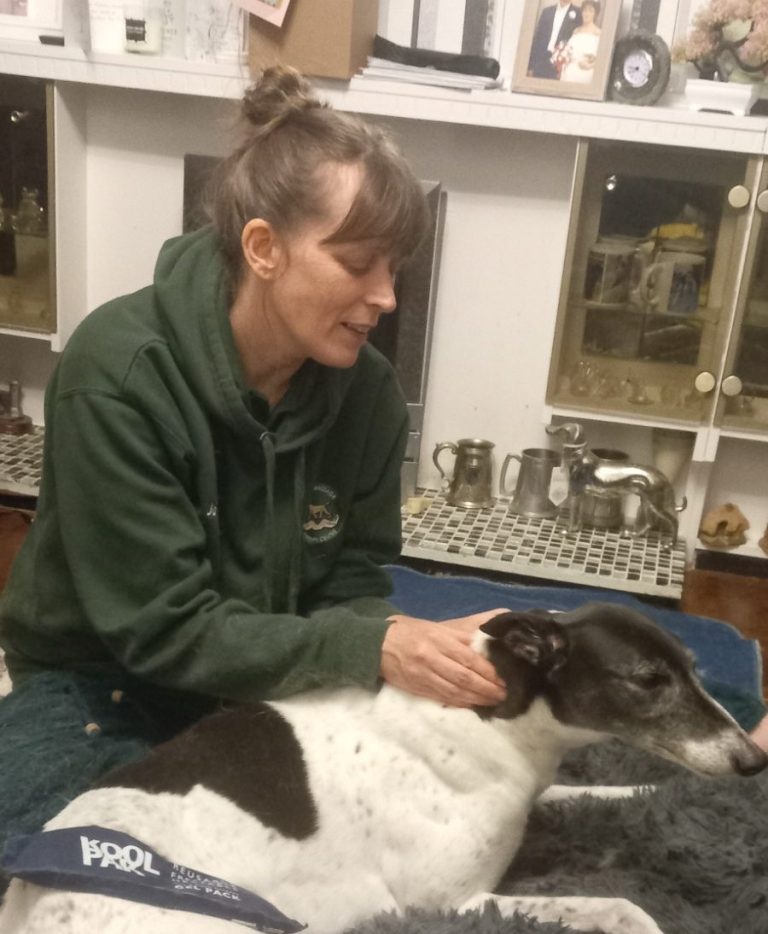
A dog's anatomy and physiology is exactly the same as their human's, which is why they benefit so much from massage. Clinical trials of Canine Massage using the Lenton Method® at the University of Winchester concluded that 95% of dogs respond positively to Canine Massage Therapy. Find out more about the trials https://www.k9-massageguild.co.uk/clinical-trials/
Eases Pain and Discomfort
- Improves blood flow and circulation
- Improves tissue mobility
- Promotes healing and recovery from injury/surgery
Reduces Muscle Tension
- Reduces adhesions and 'knots' in muscles and tendons
- Improves performance
- Restores energy levels
- Rebalances muscles groups
Improves Mobility and Flexibility
- Reduces stiffness
- Reduces anxiety
- Reduces stress
- Improves quality of life
Signs that your dog may benefit from Canine Massage
Gait and Posture
- Lameness or Limping
- Reduced range of Movement
- Stiffness
- Slowing down on walks
- Hopping/skipping
- Twitching or 'shivery' skin
- Hip or stifle rotation (stands/sits with knee pointing out)
Changes in Daily Living
- Stopping or struggling to get on/off the sofa, stairs, car
- Difficulty getting up from lying down
- Not playing with toys, stopping doing things they used to love
- Slipping/unbalanced
- Weakness in back legs
- Lying down to eat
Behaviour and Performance
- Reluctance to be petted/groomed/examined
- Depressed, uninterested in life
- Isolating themselves/hiding
- Gnawing at an area/excessive licking
- Snapping at other dogs
- Early fatigue/less energy
- Sporting dogs - deviation from natural performance